

Blogs
How Do You Remove Marker Stains from Clothes, Walls and Furniture?

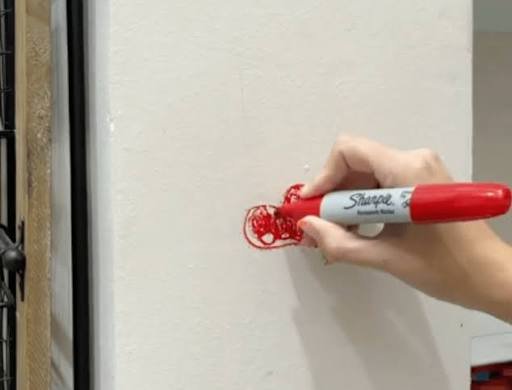
Marker stains can be removed using mild detergent, rubbing alcohol or water, depending on the ink and surface. If you’re wondering how to remove marker stains, start by identifying whether the marker is washable, permanent or whiteboard ink. Treat the stain gently, test any cleaning product first and avoid heat until the mark disappears.
A marker leaking inside a school bag, a child drawing on a freshly painted wall or an office whiteboard marker touching a shirt can create an annoying mess. Fortunately, many stains can be treated with supplies already available at home.
Why Some Marker Stains Are Harder to Remove
Not all markers contain the same type of ink. Understanding the difference helps you choose a cleaning method without damaging fabric or furniture.
Washable Markers
Washable markers are generally water-based and designed for easier cleaning. They are popular for children’s colouring activities because many marks can be removed with water and laundry detergent.
Parents choosing art supplies can learn more about are washable markers safe for kids? before buying them.
Permanent Markers
Permanent markers contain ink designed to resist ordinary washing. They are commonly used for labelling files, cartons and office supplies.
These stains may require rubbing alcohol or a dedicated ink remover. However, removing permanent marker ink completely is not always possible.
Whiteboard Markers
Whiteboard markers are designed to wipe off suitable non-porous writing boards. However, their ink can still stain clothes, walls and upholstered furniture.
Teachers comparing classroom writing surfaces may find this guide on whiteboard vs blackboard for classrooms useful.
How to Remove Marker Stains from Different Surfaces
The safest cleaning method depends on the material. Always check the care label or manufacturer’s cleaning instructions before proceeding.
1. Removing Marker Stains from Cotton Clothes
Cotton shirts, trousers and everyday clothing often pick up marker stains during school activities or office work.
Steps:
- Place a clean white towel underneath the stained fabric.
- For washable ink, rinse from the back of the stain with cool water.
- Apply liquid laundry detergent and gently work it into the fabric.
- Rinse thoroughly and wash according to the garment’s care label.
- Check the stain before allowing the clothing to air-dry.
For permanent marker stains, carefully blot with rubbing alcohol after testing an inconspicuous area. Replace the towel underneath as it absorbs ink.
Avoid putting the garment in a heated dryer while the stain remains.
2. Cleaning Marker Stains from School Uniforms
School uniforms in Pakistan are frequently white, light blue or other pale colours, making ink stains more noticeable.
Steps:
- Identify the fabric and check its washing instructions.
- Blot fresh ink gently with a clean cloth.
- Apply a small amount of liquid detergent for washable stains.
- For stubborn permanent ink, test rubbing alcohol on a hidden seam before applying it.
- Rinse and wash normally once the stain begins lifting.
Do not apply chlorine bleach without confirming that the fabric and dye are suitable.
During back-to-school shopping, parents can use a school stationery list to plan supplies and select washable colouring materials for younger children.
3. Removing Marker Stains from Painted Walls
Children sometimes turn bedroom or classroom walls into drawing surfaces. Unfortunately, aggressive cleaning can remove paint along with the ink.
Steps:
- Dampen a soft microfibre cloth with water.
- Add a tiny amount of mild dishwashing liquid.
- Gently wipe the mark without scrubbing.
- Remove soap residue using another lightly dampened cloth.
- Pat the surface dry.
For persistent stains, consider a cleaner approved for the wall’s paint finish. Avoid acetone, strong solvents and abrasive sponges, particularly on matte or poorly cured paint.
4. Removing Marker Stains from Wooden Furniture
Study tables, wooden desks and cabinets can develop marker stains during homework or office filing.
Steps:
- Remove loose surface dirt with a dry cloth.
- Wipe the mark using a slightly damp cloth and mild soap.
- Dry the area immediately.
- If ink remains, test a tiny amount of rubbing alcohol on a concealed finished area.
- Dab cautiously only if the finish remains unaffected.
Alcohol can damage varnish, polish or stained wood. Avoid using it on unfinished wood without professional advice, as ink can penetrate the grain.
Keeping markers inside a desk organizer productivity guide-inspired workspace setup can help reduce accidental marks.
5. Cleaning Marker Stains from Sofas and Upholstery
Sofas require extra care because excessive moisture can spread ink into the padding.
Steps:
- Check the sofa’s upholstery cleaning code.
- Blot fresh ink using a clean white cloth.
- If the fabric permits water-based cleaning, apply a small amount of suitable upholstery cleaner.
- Blot from the outside of the stain towards its centre.
- Remove residue according to the cleaner’s instructions and allow the area to dry.
For solvent-safe upholstery, rubbing alcohol may help with certain marker inks, but always spot-test first.
Avoid home treatment on dry-clean-only or delicate upholstery unless the product instructions explicitly permit it.
Household Items That Can Help Remove Marker Stains
Several everyday cleaning products can help when used appropriately.
|
Household item |
Suitable use |
Important precaution |
| Liquid laundry detergent | Washable ink on washable clothes | Follow fabric care instructions |
| Mild dishwashing liquid | Some washable marks on painted walls and sealed furniture | Avoid excessive moisture |
| Rubbing alcohol | Certain permanent marker stains on compatible surfaces | Test for colour or finish damage |
| Upholstery cleaner | Marker stains on compatible sofa fabrics | Check upholstery cleaning code |
| Clean white cloth | Blotting ink without spreading dyes | Change sections as ink transfers |
Rubbing alcohol should be used by adults in a ventilated area, away from flames. Never combine cleaning chemicals.
Which Markers Should You Buy to Avoid Difficult Stains?
Choosing suitable markers can save parents and teachers considerable cleaning effort.
|
Marker type |
Best for |
Cleaning difficulty |
| Washable | Young children, colouring and basic school projects | Generally easiest |
| Permanent | Labelling, packaging and office work | Often difficult |
| Whiteboard | Classroom boards and presentations | Easy on suitable boards, harder on fabric |
For primary schoolchildren, washable markers are usually the more practical choice. Older students may need permanent markers for particular projects.
Parents can compare options using this crayons, color pencils and markers price comparison or review the best colouring tools for school projects.
Common Mistakes That Make Marker Stains Worse
Cleaning mistakes can turn a small ink mark into a larger problem.
- Scrubbing aggressively: Spreads ink and may damage fibres or paint.
- Using hot drying methods: Heat can make some remaining stains more difficult to remove.
- Applying bleach immediately: May discolour clothing or damage materials.
- Using nail polish remover: Acetone can damage painted, plastic and finished surfaces.
- Mixing cleaning products: Can cause dangerous chemical reactions.
Repeated cleaning is not always the answer. If a mark remains after careful treatment, professional cleaning may be safer.
How to Prevent Marker Stains at Home and School
Prevention is especially useful during art classes, exam preparation and the new school session.
Choose washable markers for younger children, protect tables with reusable mats and replace damaged marker caps. Teach children to close markers after use and keep permanent markers separate from colouring supplies.
A best pencil box for kids in Pakistan guide can help parents find suitable storage options. Organising markers according to a how to store art supplies for kids routine also reduces accidental spills.
For school projects, consider keeping spare cleaning cloths nearby and using designated drawing surfaces.
Final Thoughts
Learning how to remove marker stains becomes easier once you identify the marker ink and affected material. Washable stains often respond to detergent and water, while permanent ink requires more careful treatment.
Before buying school or office stationery, consider how the supplies will be used and cleaned. Explore school supplies online with cash on delivery at The Stationery Spot to plan your next stationery purchase with convenience in mind.
Frequently Asked Questions
1. How do you remove permanent marker stains from clothes at home?
Place a clean towel underneath the stain and carefully blot it with rubbing alcohol after testing the fabric. Rinse and wash according to the care label. Some permanent stains may not disappear completely.
2. Can toothpaste remove marker stains from painted walls?
Toothpaste is not a reliable first-choice cleaner. Some formulas contain abrasives that can damage painted surfaces. Start with a damp cloth and mild soap instead.
3. How do you remove marker stains from white school uniforms?
For washable markers, rinse the stain and apply liquid laundry detergent before washing. Permanent ink may need carefully tested rubbing alcohol. Avoid drying the uniform with heat until the stain is removed.
4. Does hand sanitiser remove permanent marker ink?
Alcohol-based hand sanitiser may loosen some permanent marker ink, but gels, fragrances and added ingredients can leave residue or damage surfaces. Plain rubbing alcohol is generally easier to control when suitable.
5. Can old marker stains be removed completely?
Some old marker stains can fade or disappear with suitable cleaning products, but results depend on the ink, surface and previous washing or heat exposure. Delicate or expensive materials may require professional cleaning.