How to Organize Your Desk with the Right Desk Organizer: Productivity Guide
A messy desk can make even simple work feel harder. When pens, papers, sticky notes, chargers, notebooks, and small office items are scattered everywhere, you waste time searching for things before you even start working. A clean desk does not just look better. It helps you think more clearly, stay focused, and move through tasks with less stress.
This desk organizer productivity guide will help you understand how to set up your workspace with the right organizer, what to keep on your desk, and how to arrange your daily supplies in a practical way. Whether you are a student, office worker, remote employee, teacher, freelancer, or business owner, the right desk setup can make your day feel smoother and more manageable.
The goal is not to create a perfect-looking desk. The goal is to create a desk that works for you.
Why Desk Organization Matters
Your desk affects how you work. If your workspace is crowded, your mind may feel crowded too. When everything has a place, it becomes easier to focus on one task at a time.
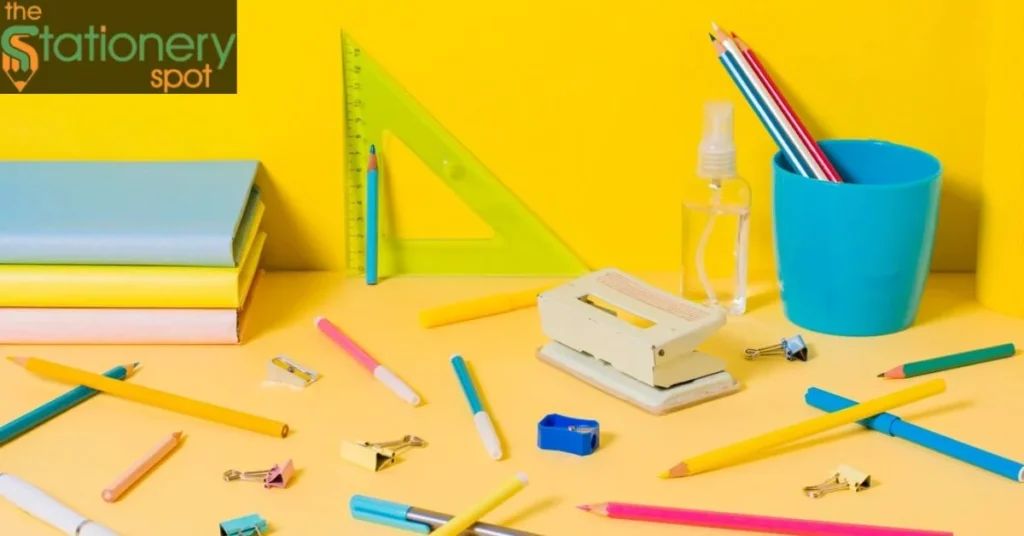
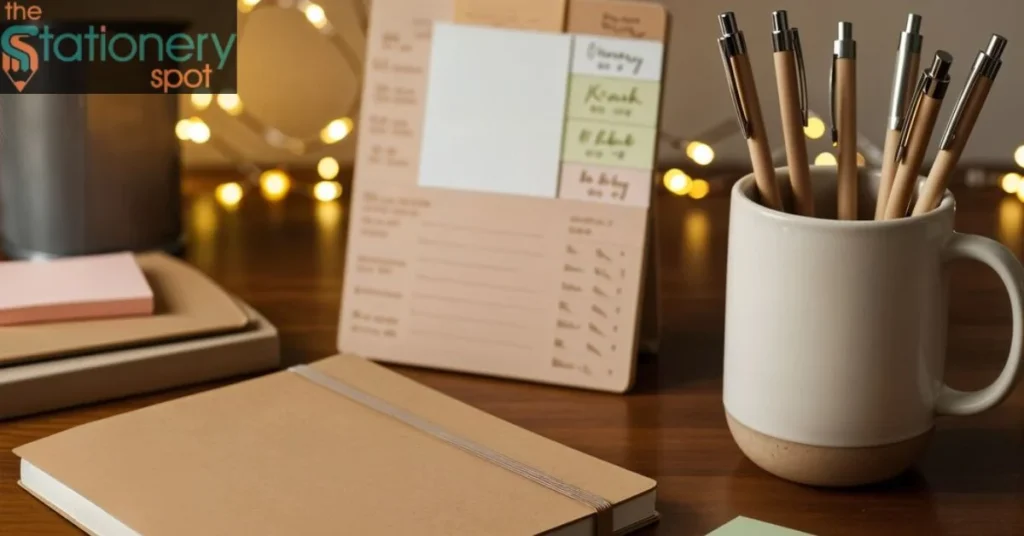
A good desk organizer helps you keep the items you use most within reach. Pens, markers, paper clips, sticky notes, scissors, highlighters, notepads, and small tools can all stay in separate sections instead of lying loose across the table.
Desk organization also saves time. Instead of looking for a pen before a meeting or searching for a sticky note during study time, you can reach for what you need immediately.
What Is a Desk Organizer?
A desk organizer is a storage item designed to hold your everyday desk supplies. It may have sections, drawers, trays, compartments, pen holders, file slots, or shelves. Some are small and simple, while others are larger and made for heavier office use.
The best desk organizer is not always the biggest one. It should match your desk size, work routine, and the items you use daily.
For example, a student may need space for pens, pencils, erasers, markers, and sticky notes. An office worker may need sections for documents, business cards, chargers, and writing tools. A creative person may need space for tapes, scissors, brushes, labels, and craft supplies.
Start by Clearing Everything
Before buying or arranging a desk organizer, clear your desk completely. Remove everything and place it on another surface. This helps you see what you actually use and what is only creating clutter.
Sort your items into three groups: things you use daily, things you use sometimes, and things you do not need on the desk at all.
Daily items should stay within reach. Occasional items can go in a drawer, shelf, or storage box. Unused items should be removed, donated, or thrown away if they no longer work.
This step makes the rest of your organization much easier.
Keep Only Daily Items on the Desk
One common mistake is keeping too many things on the desk. A desk should support your work, not store every stationery item you own.
Daily desk items may include:
- Pens
- Pencils
- Highlighters
- Sticky notes
- Notebook
- Planner
- Paper clips
- Scissors
- Ruler
- Stapler
- Phone stand
- Charger
These are your basic office essentials. If you do not use something regularly, it does not need to sit directly in front of you.
Choose the Right Desk Organizer Size
Your organizer should fit your desk without taking over the whole surface. If your desk is small, choose a compact organizer with vertical storage. This saves space and keeps items easy to see.
If your desk is large, you can choose a wider organizer with trays and drawers. Just make sure it does not encourage you to collect unnecessary clutter.
A good rule is simple: the organizer should make your desk easier to use, not more crowded.
Use Compartments Properly
Compartments are helpful only when you use them with purpose. Do not throw random items into every section. Assign each section a role.
You can keep pens in one holder, sticky notes in another section, paper clips in a small tray, and important documents in a file slot. If your organizer has drawers, use them for items you need but do not want visible all the time.
Clear categories help you find things faster. They also make it easier to clean your desk at the end of the day.
Organize Pens and Writing Tools
Pens are usually the first thing that creates desk clutter. Many people keep too many, even when half of them no longer work. Start by testing each pen and removing the ones that are dry, leaking, or uncomfortable.
When choosing writing tools, it helps to understand ballpoint pen vs gel pen vs fountain pen because each one works differently. Ballpoint pens are practical for everyday writing, gel pens feel smoother and darker, and fountain pens give a more classic writing experience but need more care.
Keep only the pens you actually use. A smaller number of reliable pens is better than a full cup of random ones.
Create a Paper System
Loose papers can quickly ruin a clean desk. Instead of stacking papers everywhere, create a simple system.
Use one tray for papers that need action, one folder for important documents, and one separate place for completed work. If you use notebooks, keep only the one you need for the current task on the desk.
For office work, label folders by purpose. You can have folders for invoices, meeting notes, client documents, school papers, or personal records.
The goal is to stop paper from spreading across your workspace.
Keep Your Most-used Items Closest
The items you use most should be closest to your dominant hand. If you are right-handed, keep pens, sticky notes, and your notebook on the right side. If you are left-handed, place them on the left.
Items used less often can stay farther away or inside drawers.
This small adjustment makes your desk feel more natural. You do not need to reach across the table every time you need something.
Use Vertical Space
If your desk is small, vertical storage can help a lot. Use standing file holders, pen cups, shelves, or stacked trays to save surface space.
Vertical storage is especially helpful for students and office workers who handle notebooks, files, planners, and papers every day. It keeps things visible without spreading them across the desk.
A clean surface gives you more room to write, type, study, or plan.
Keep Study and Work Tools Separate
If you use the same desk for school, office work, and creative projects, separate the supplies. Mixing everything together can make the desk messy again.
Keep office stationery in one organizer, study supplies in another section, and craft items in a box or drawer. If you only have one organizer, use different compartments for each category.
This helps your desk shift easily from homework to office tasks to creative work.
Desk Organization for Students
Students need a desk that supports homework, test preparation, reading, and writing. A simple organizer can hold pencils, pens, erasers, highlighters, sticky notes, rulers, and flashcards.
Students should also keep their school bag supplies separate from their desk supplies. This prevents items from going missing when they need them in class.
A small board can also help with revision. When comparing whiteboard vs blackboard classroom use for home study, a whiteboard is often easier because it is clean, reusable, and good for quick practice.
Desk Organization for Office Workers
Office workers need a desk that helps them move through tasks without distraction. Keep only current work on the desk. Store old files, extra supplies, and personal clutter elsewhere.
A practical office desk organizer should include space for writing tools, sticky notes, paper clips, business cards, important papers, and small tech items like chargers or USB drives.
If you attend calls or meetings often, keep a notebook and pen within easy reach. This helps you take quick notes without interrupting the conversation.
Desk Organization for Creative People
Creative work often needs more supplies, which can make the desk messy. If you use markers, tapes, stickers, scissors, brushes, or craft papers, keep them grouped by type.
Use small containers for tiny items. Keep tapes together, pens together, and cutting tools together. Store paints and larger craft supplies away from your main writing space unless you use them every day.
A creative desk can still look lively without becoming chaotic.
Add Labels If Needed
Labels are useful if you share your desk with siblings, children, coworkers, or family members. They help everyone return items to the right place.
You can label drawers, trays, folders, and storage boxes. Keep labels simple. For example: pens, papers, clips, bills, notes, school, office, craft.
Labels are especially helpful for younger students who are still learning how to organize their belongings.
Do a Five-minute Reset Each Day
Desk organization works only if you maintain it. At the end of each day, spend five minutes resetting your desk.
Put pens back in the holder. Throw away scraps. Move completed papers to the right folder. Close notebooks. Clear cups, wrappers, and extra items.
This small habit prevents clutter from building up again. It also makes the next morning easier because your workspace is already ready.
Avoid Over-decorating the Desk
A few personal items can make your desk feel nice, but too many decorations can become distracting. Keep one or two items that make you happy, such as a small plant, photo frame, desk calendar, or motivational note.
Do not let decoration take over your workspace. Your desk should still have room for writing, working, studying, and using your laptop.
A clean and comfortable setup is better than a crowded one.
Keep Cables Under Control
Chargers, laptop wires, headphones, and USB cables can make a desk look messy even when everything else is organized. Use cable clips, ties, or small containers to keep them in place.
Keep only the cables you need daily on the desk. Extra cables should go in a drawer or labeled pouch.
This makes your desk safer, cleaner, and easier to use.
Match the Organizer to Your Routine
The right desk organizer depends on your routine. Someone who writes all day needs more pen storage. Someone who handles documents needs trays and file slots. Someone who studies needs space for notebooks, flashcards, and sticky notes.
Before choosing an organizer, ask yourself:
- What do I reach for most?
- What keeps getting lost?
- What makes my desk messy?
- What do I need to keep visible?
- What should be stored away?
Your answers will help you choose the right design.
Best Desk Organizer Types
There are many types of desk organizers, and each one solves a different problem.
A pen holder is best for writing tools. A drawer organizer is useful for small items. A file tray helps with papers. A multi-section organizer is good for mixed stationery. A vertical organizer saves desk space.
If your desk is very small, choose one compact organizer with multiple uses. If your desk is bigger, you can combine a pen holder, paper tray, and small drawer unit.
Common Desk Organization Mistakes
One mistake is buying an organizer before sorting your items. This can lead to buying something too small, too large, or not useful for your routine.
Another mistake is keeping broken pens, old papers, empty tape rolls, and unnecessary items “just in case.” These things take up space and make the desk harder to manage.
A third mistake is putting everything into drawers without a system. Hidden clutter is still clutter. Drawers also need sections and categories.
How Desk Organization Improves Productivity
A clean desk helps you start faster. When everything is ready, you spend less time preparing and more time working.
Desk organization can also reduce stress. You do not have to deal with visual clutter or worry about missing items. This makes it easier to focus on one task at a time.
It also supports better habits. When your workspace is organized, you are more likely to plan your day, complete tasks, and keep your supplies in good condition.
Explore The Stationery Spot today to find desk organizers, office essentials, writing tools, school supplies, and creative stationery that help you build a cleaner, calmer, and more productive workspace.
Final Thoughts
This desk organizer productivity guide is not about making your desk look perfect for photos. It is about making your workspace easier to use every day. The right organizer can help you control clutter, save time, protect your stationery, and stay focused.
Start by clearing your desk, keeping only daily items nearby, choosing the right organizer size, and creating simple categories. Once every item has a place, your desk becomes easier to maintain.
A well-organized desk can support better study, smoother office work, and a more peaceful daily routine.
Frequently Asked Questions
What should I keep in a desk organizer?
You should keep daily-use items such as pens, pencils, sticky notes, paper clips, scissors, ruler, notebook, planner, and other small office essentials.
How do I choose the right desk organizer?
Choose a desk organizer based on your desk size, daily routine, and the items you use most often. It should save space and make supplies easier to find.
How can I organize a small desk?
Use vertical storage, compact organizers, pen holders, and file trays. Keep only daily items on the desk and store extra supplies elsewhere.
How often should I clean my desk?
Do a quick five-minute reset daily and a deeper clean once a week to remove clutter, old papers, broken pens, and unused items.
Can a desk organizer improve productivity?
Yes, a desk organizer can improve productivity by reducing clutter, saving time, keeping supplies accessible, and helping you focus better.