
Blogs
What is Washi Tape and How to Use It in Craft Projects?

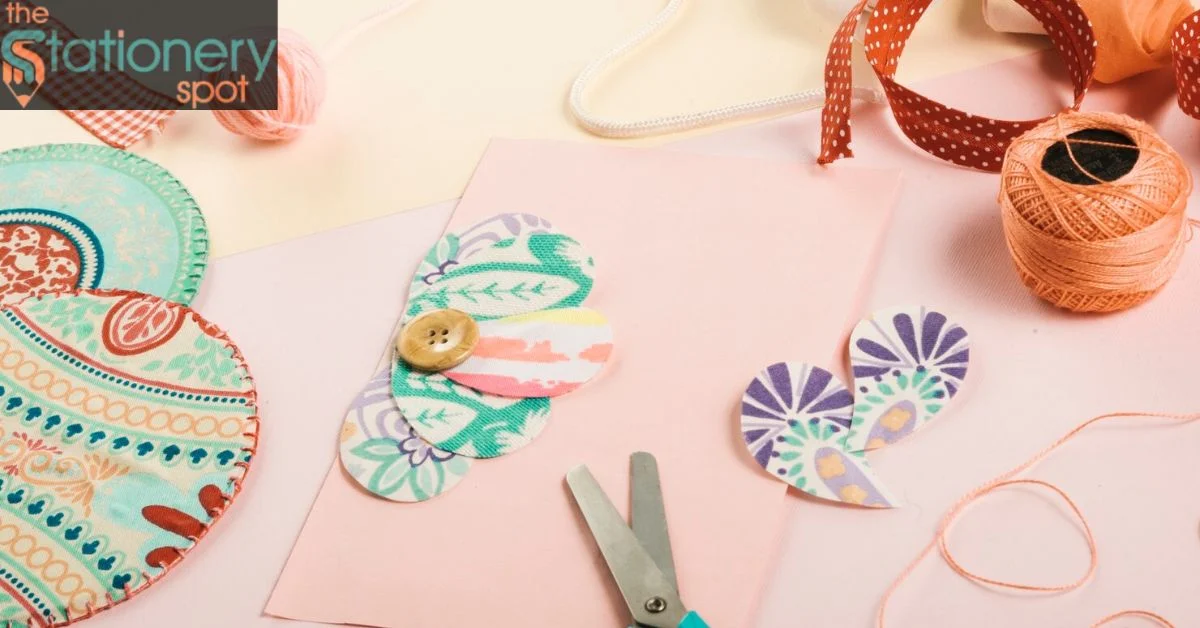
Some stationery items are simple, but they can make your projects look instantly more creative. Washi tape is one of those items. It is colourful, easy to use, removable, and perfect for decorating notebooks, journals, cards, gifts, planners, and craft pages.
If you are wondering what is washi tape craft projects can become much easier once you understand how this decorative tape works. Washi tape is usually made from paper-like material, which makes it lighter and easier to tear than regular plastic tape. It comes in many colours, patterns, widths, and themes, so you can use it for both practical and decorative purposes.
For students, journal lovers, crafters, teachers, and stationery fans, washi tape is a small tool that can add personality to everyday pages and handmade projects.
What Is Washi Tape?
Washi tape is a decorative tape that is usually made from thin paper. It is sticky enough to stay in place, but not as harsh as many regular tapes. This means you can often peel it off and reposition it without ruining the page.
It is commonly used for crafts, journaling, gift wrapping, scrapbooking, card making, planner decoration, labels, and creative school projects.
Washi tape comes in many styles, such as floral prints, pastel colours, geometric patterns, glitter effects, cartoon designs, minimal lines, and seasonal themes. This variety makes it easy to match the tape with your project.
Why Is Washi Tape So Popular?
Washi tape is popular because it is simple and fun. You do not need advanced craft skills to use it. Even a plain notebook page can look more interesting with a strip of washi tape along the border.
It is also less messy than glue, paint, or markers. You can use it quickly, remove it if needed, and layer it with other stationery.
Washi tape is especially loved by people who enjoy cute stationery because it adds colour without taking much space. A few rolls can be used in many different ways.
How Is Washi Tape Different from Regular Tape?
Regular tape is usually used for sticking things together. It is often clear, plastic-based, and stronger. Washi tape is more decorative and flexible. It is designed to be seen, not hidden.
Regular tape can tear paper if removed. Washi tape is usually gentler and easier to reposition. It also has patterns and colours, which makes it useful for decoration.
However, washi tape is not meant for heavy-duty sticking. If you need to seal a parcel or hold something heavy, regular tape is better. If you want to decorate, label, border, or customise, washi tape is the better choice.
Basic Ways to Use Washi Tape
Washi tape can be used in many simple ways. You can place it along notebook edges, use it as a bookmark tab, decorate envelopes, create borders, label jars, or make planner sections stand out.
It can also be used to decorate school supplies. A plain pencil box, notebook, bookmark, file cover, or study card can look more personal with a few strips of tape.
The best part is that you can start small. You do not need a full craft kit to use washi tape. One or two rolls are enough to try basic ideas.
Washi Tape for Journaling
Washi tape is perfect for journaling because it helps divide pages, decorate headings, and create neat sections. You can use it to mark important dates, frame quotes, create mood trackers, or decorate daily entries.
If your journal feels too plain, washi tape can add colour without much effort. It also pairs well with gel pens, stickers, sticky notes, and small photos.
For a clean look, use matching colours. For a playful look, mix patterns and layer different tapes.
Washi Tape for Planners
Planners can become more useful and more attractive with washi tape. You can use it to highlight deadlines, divide weekly sections, mark birthdays, separate subjects, or decorate monthly pages.
For students, washi tape can help mark exam weeks, assignment deadlines, tuition schedules, or revision plans. For office workers, it can mark meetings, project timelines, or important reminders.
Since washi tape is usually easy to remove, it works well for planning that may change.
Washi Tape for Handmade Cards
Handmade cards become much easier with washi tape. You can create borders, frames, banners, and simple patterns without needing advanced drawing skills.
For birthday cards, choose bright or cute designs. For thank-you cards, use softer patterns. For friendship cards, use colourful tape with stickers and handwritten notes.
This makes washi tape a great item to include when choosing stationery gift ideas birthday Pakistan, especially for people who enjoy cards, crafts, journals, or decorative stationery.
Washi Tape for Gift Wrapping
Washi tape can make gift wrapping look more thoughtful. You can use it to seal wrapping paper, decorate plain gift bags, attach tags, or create small patterns on envelopes.
It works especially well on brown paper, plain boxes, and simple gift bags. A strip of floral, pastel, or glitter-style tape can make the packaging look more personal.
You can also use it to attach small notes or name tags.
Washi Tape for Scrapbooking
Scrapbooking is one of the most common uses for washi tape. It can hold photos, create frames, divide sections, and add decorative accents to pages.
Because washi tape is gentle, it is often easier to use than glue for light paper items. You can also layer it with stickers, stamps, handwritten notes, and printed photos.
A scrapbook page can look more complete with just a few coordinated tape designs.
Washi Tape for School Projects
Students can use washi tape to make school projects neater and more attractive. It can be used for borders, headings, labels, charts, flashcards, and display boards.
For example, students can use washi tape to mark sections on a science project, decorate a title page, or create neat dividers in a notebook.
It should not replace proper content, but it can make presentation cleaner and more engaging.
Washi Tape for Labels
Washi tape can be used as a quick label. Stick a strip on a notebook, file, jar, pencil box, drawer, or storage container, then write on it with a suitable pen or marker.
This is useful for students, teachers, and office workers who want to organise supplies without using permanent labels.
If you like changing your setup often, washi tape labels are helpful because they can usually be removed more easily than stickers.
Washi Tape for Desk Organization
A neat desk makes school, office, and craft work easier. Washi tape can help label drawers, mark file folders, decorate storage boxes, or separate sections in notebooks.
If you already follow a desk organizer productivity guide, washi tape can add a creative touch to your system. You can use different colours for different subjects, projects, or categories.
For example, blue tape can mark school work, pink tape can mark personal notes, and green tape can mark office documents.
Washi Tape with Painting and Art
Washi tape can also be used in art projects. It can help create borders, protect edges, or divide sections on paper. Some artists use it to create clean lines, though masking tape may be stronger for heavier paint.
If you are experimenting with acrylic paint vs watercolor beginners, washi tape can help create neat borders on watercolor paper or decorative sections in mixed-media projects.
Always remove the tape gently after the paint dries. Test first, especially on delicate paper.
Washi Tape and Spray Paint Projects
Washi tape is not always the best tape for heavy spray paint masking, but it can be used for light decoration after the paint dries. If you are learning how to use spray paint matte vs glossy, paint the surface first, let it dry fully, then add washi tape as a decorative accent.
Matte backgrounds can make patterned tape stand out softly. Glossy finishes can make the project look brighter, but tape may not stick as well if the surface is too slick.
Always test on a small area first.
Washi Tape for Pencil Boxes and Notebooks
One fun use of washi tape is decorating pencil boxes and notebooks. A plain pencil box can look more personal with stripes, borders, initials, or small patterns.
For notebooks, you can decorate the corners, create subject labels, or add matching tape to the spine. This helps students quickly recognise different books in their school bag.
It is a budget-friendly way to refresh old stationery.
Can Kids Use Washi Tape?
Yes, kids can use washi tape easily because it is usually simple to tear and less messy than glue. Younger children may need help cutting neat strips or placing tape evenly, but it is generally beginner-friendly.
Kids can use washi tape for birthday cards, notebooks, bookmarks, school projects, and craft activities.
It is also a safer creative option than paints or sharp tools, though scissors should still be used carefully.
Tips for Using Washi Tape Neatly
To get clean results, avoid stretching the tape too much. Place it slowly and smooth it with your finger. If you want straight lines, measure first or use a ruler as a guide.
Tear the tape for a casual look or cut it with scissors for a cleaner edge. For layered designs, use tapes with matching colours so the page does not look too crowded.
If the tape lifts at the edges, press it down firmly or use a tiny bit of glue for long-term projects.
Common Washi Tape Mistakes
One common mistake is using too many patterns at once. This can make a page look busy. Start with two or three matching tapes instead.
Another mistake is using washi tape for heavy items. It is decorative, not heavy-duty. It may not hold thick cardboard, fabric, or heavy decorations for long.
A third mistake is placing tape on dusty or wet surfaces. Washi tape sticks best to clean, dry surfaces.
How to Store Washi Tape
Washi tape rolls can get lost easily, so keep them together in a small box, drawer, jar, or desk organizer. You can arrange them by colour, theme, or size.
If you use them often, keep your favourite rolls near your journal or craft area. If you have many, store extra rolls separately so your desk does not become cluttered.
Good storage keeps your tape clean and easy to find.
Best Washi Tape Ideas for Beginners
If you are new to washi tape, start with easy projects. Decorate a notebook border, make a bookmark, create a birthday card, label a folder, or add tape to a gift tag.
Once you feel confident, try journal layouts, scrapbook pages, planner spreads, storage labels, and layered card designs.
Washi tape is forgiving, so you can experiment without worrying too much.
Explore The Stationery Spot today to find washi tapes, cute stationery, craft supplies, notebooks, pens, stickers, and gift-friendly essentials that make every creative project more fun and personal.
Final Thoughts
Understanding what is washi tape craft projects can help you see how many simple things you can create with one small roll of tape. Washi tape is decorative, easy to use, removable, and perfect for journals, cards, planners, labels, scrapbooks, gifts, and school projects.
It is not meant for heavy-duty sticking, but it is excellent for adding colour, borders, patterns, and personality.
Whether you are a beginner, student, teacher, journal lover, or craft fan, washi tape is a small stationery item that can make everyday projects look more creative.
Frequently AskedQuestions
What is washi tape?
Washi tape is decorative paper-like tape used for crafts, journaling, planners, cards, scrapbooking, labels, and gift wrapping.
Is washi tape removable?
Yes, washi tape is usually removable and repositionable, especially on paper and smooth surfaces. However, results can vary by surface.
Can kids use washi tape?
Yes, kids can use washi tape for simple craft projects, cards, notebooks, bookmarks, and school projects with basic supervision.
Can washi tape be used on painted surfaces?
Yes, it can be used on painted surfaces after the paint is fully dry. Test first to make sure it sticks properly.
What can I make with washi tape?
You can make journal borders, planner tabs, handmade cards, bookmarks, scrapbook pages, gift tags, labels, and notebook decorations.