

Blogs
How to Cover School Books and Notebooks Without Damaging Them?

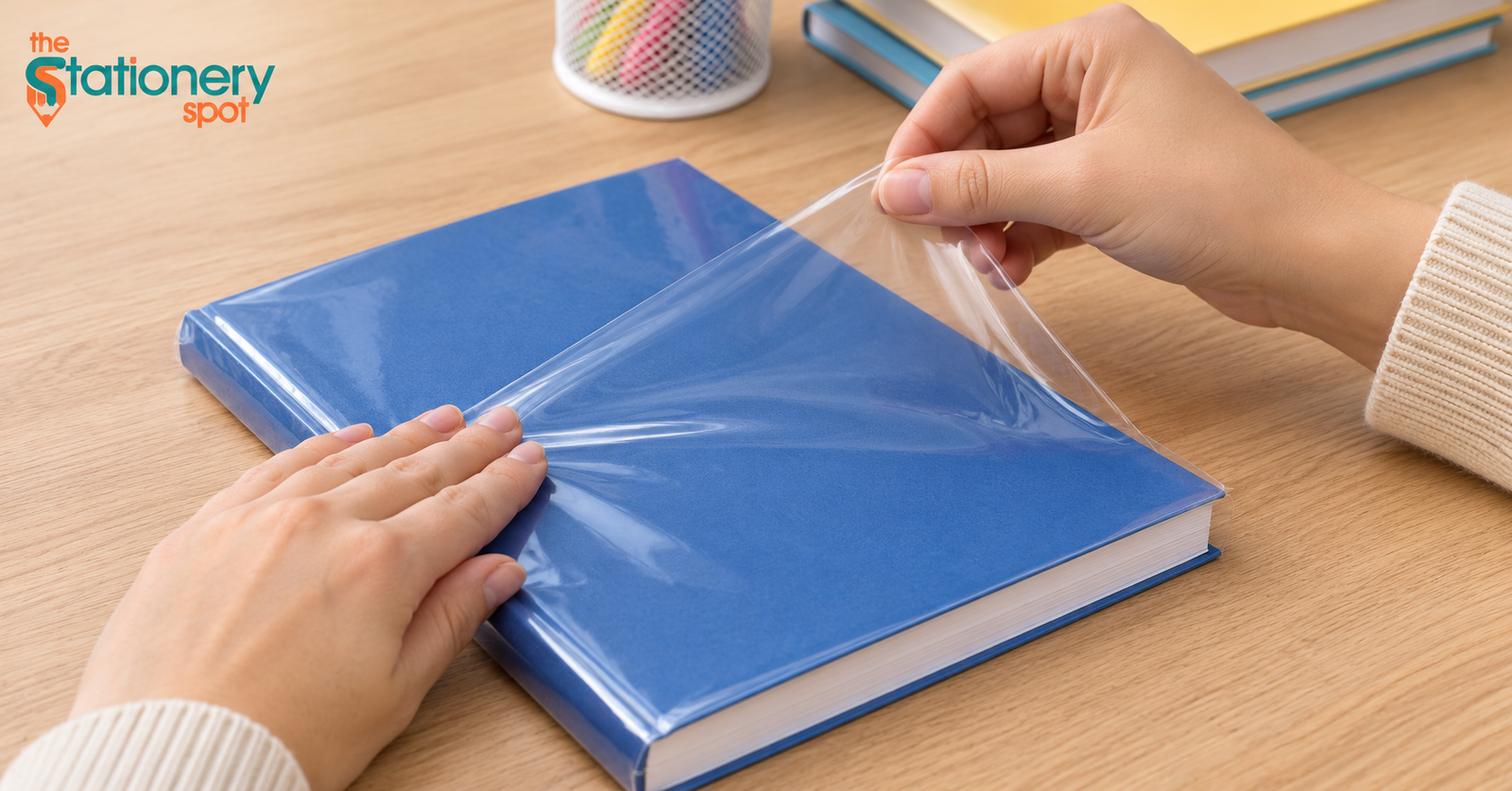
Learning how to cover school books properly helps protect textbooks and notebooks from dust, scratches, dirty hands and everyday classroom use. The best method is to use a removable plastic or paper cover, measure it correctly, fold the corners neatly and avoid sticking tape directly onto the book pages.
In Pakistan, covering books is a common part of back-to-school preparation. Whether parents are preparing their children’s books for a new academic session, students are organising exam notes, or teachers are protecting classroom materials, a properly fitted cover can keep books clean and presentable throughout the year.
Why Should You Cover School Books and Notebooks?
School books travel between classrooms, homes, tuition centres and school bags. Without protection, their covers can become dirty, bent or scratched.
A removable book cover offers several benefits:
- Protects book covers: Helps prevent scratches, dust and everyday stains.
- Reduces corner damage: Keeps book corners from bending during transportation.
- Makes books easier to identify: Labels help students recognise their subjects quickly.
- Supports reuse: Removable covers can help keep borrowed or reusable textbooks in better condition.
- Keeps school materials organised: Students can maintain a cleaner collection of textbooks and notebooks.
Parents preparing a complete School Supplies collection should also consider simple protective materials for books, registers and other learning resources.
Materials You Need Before Covering a Book
You do not need expensive equipment to cover school books. Most materials are easily available at stationery shops across Pakistan.
Here is what you should arrange:
|
Material |
Purpose |
| Transparent book-cover sheet | Protects the original cover |
| Brown paper or coloured paper | Provides an additional protective layer |
| Measuring ruler | Measures the book and cover sheet |
| Scissors | Cuts the covering material |
| Pencil | Marks measurements |
| Washi tape | Adds decorative finishing |
| Removable labels | Identifies subjects and student names |
A removable plastic cover is useful for frequently handled textbooks, while paper covers are suitable for students who prefer a traditional appearance.
If you are decorating notebooks, understanding what is washi tape? craft projects and uses can also give you ideas for adding decorative details without permanently altering the original book.
How to Cover School Books Without Damaging Them: Step-by-Step Guide
Follow these simple steps to cover textbooks, exercise books and notebooks safely.
Step 1: Measure the Book Properly
Start by placing the book on a flat table and measuring its height, width and thickness.
Open the book and measure across the front cover, spine and back cover. Add enough extra material on both sides to create secure folds.
Practical tip: Leave approximately 5–7 cm of extra material around the edges, adjusting it according to the book’s thickness and the folding method.
Accurate measurements prevent the cover from becoming too tight or too loose.
Step 2: Cut the Covering Material
Place the book on your selected plastic sheet or paper and mark the required measurements with a pencil.
Cut the material carefully using scissors.
Before folding, check that:
- The front and back covers have enough material.
- The spine has sufficient space.
- The extra edges can fold inside without covering the printed pages.
- The material is not excessively tight.
Avoid cutting the sheet too close to the book’s edges because this can make folding difficult.
Step 3: Position the Book in the Centre
Place the closed book in the centre of the cut sheet.
Fold the extra material over the front and back covers. Make sure the book sits naturally inside the covering material.
Do not pull the plastic tightly around the book. Excessive tension can make the cover difficult to open and may damage the binding over time.
For removable covers, create pockets by folding the extra material around the inside edges of the front and back covers.
Step 4: Fold the Corners Neatly
Corner folding is one of the most important parts of covering a book.
Follow this process:
- Open the folded cover slightly to access the extra material.
- Fold each corner diagonally to create a neat triangular shape.
- Flatten the folds using your fingers.
- Tuck the folded edges inside the cover pockets.
- Repeat the process for all four corners.
Make sure no sharp or bulky edges interfere with the book’s opening and closing.
Step 5: Secure the Cover Without Taping the Pages
One common mistake is applying adhesive tape directly to the original book cover or printed pages.
Instead, secure the folded material using removable tape on the covering sheet itself. You can also tuck the edges into the folded pockets to avoid using tape altogether.
Remember these precautions:
- Never place adhesive tape over printed text.
- Avoid strong glue on original book covers.
- Do not attach tape to delicate or old pages.
- Keep adhesive away from the spine and binding.
- Test removable tape on a small area of the covering material first.
If you need adhesive for paper-based craft projects, understanding glue stick vs liquid glue can help you choose the appropriate option for different materials.
Step 6: Add a Proper Book Label
Once the cover is fitted, add a label to identify the book.
A useful school book label should include:
- Student’s name
- Class and section
- Subject name
- School name (optional)
For example:
- Student Name: Ahmed
- Class: 7-B
- Subject: Science
- School: ABC School
Place the label on the outside covering material rather than directly on the original book. This makes it easier to remove or replace when the academic session ends.
Which Book Cover Should You Choose?
Different covering materials serve different purposes. Your choice should depend on how frequently the book is used and whether you want to remove the cover later.
| Covering material | Best use |
Main advantage |
| Transparent plastic | Daily school textbooks | Shows the original book design |
| Brown paper | School registers and textbooks | Easy to fold and label |
| Coloured paper | Children’s notebooks | Allows subject identification |
| Removable plastic sleeves | Borrowed and reusable books | Easy to remove without adhesive |
For example, a primary school student who carries several textbooks every day may benefit from transparent removable covers. A university student organising lecture notes may prefer simple paper covers with subject labels.
Remember that covering methods can vary depending on book thickness and binding style. For different Note Books, always check the spine and binding before cutting the covering material.
Common Mistakes to Avoid When Covering School Books
Even a simple covering process can cause problems if the material is fitted incorrectly.
Here are some mistakes parents and students should avoid:
- Cutting the sheet too small: Insufficient material makes it difficult to fold the edges properly.
- Using permanent adhesive: Strong glue and permanent tape can leave marks or damage the original cover.
- Covering the book too tightly: Tight covers can interfere with normal opening and closing.
- Ignoring the spine: The spine needs enough flexibility to allow comfortable use.
- Writing directly on the original cover: Use removable labels instead to keep the book reusable.
- Using wet materials: Always ensure the book and covering material are completely dry before covering.
These precautions are particularly useful during Pakistan’s monsoon season, when moisture can become a concern for books stored in school bags or cupboards.
Tips for Keeping Covered Books in Good Condition Throughout the School Year
Covering a book is only the first step. Proper handling and storage also matter.
- Keep textbooks away from water bottles and leaking lunch containers.
- Store books upright when possible.
- Avoid placing heavy objects on top of notebooks.
- Replace torn or loose covering sheets when necessary.
- Keep labels readable and update them when changing classes.
- Check the inside folds occasionally for dust or trapped moisture.
Students should also organise their School bag essentials for students so books remain separate from sharp stationery items that could scratch or tear their covers.
Teachers and office workers can use similar techniques for protecting registers, reference books, files and frequently handled documents.
Make Book Protection Part of Your School Stationery Routine
A little preparation can make a noticeable difference in keeping educational materials organised. Whether you are preparing books for a new school session, protecting important exam notes or organising office registers, removable covers offer a simple way to reduce everyday wear and tear.
Learning how to cover school books correctly means choosing suitable material, measuring carefully, folding corners neatly and using removable labels instead of permanent adhesive. These small steps help maintain books without damaging their original covers or pages.
Explore The Stationery Spot for useful stationery, school accessories and creative supplies to make everyday school preparation easier for students, parents and teachers across Pakistan.
Frequently Asked Questions (FAQs)
What is the best material to cover school books?
Transparent plastic sheets and removable book covers are popular choices for school textbooks. Brown paper is another practical option for students who prefer traditional paper covering.
How do you cover books without using tape?
You can fold the extra covering material around the front and back covers to create secure pockets. Tuck the edges inside these folds to hold the cover in place without adhesive.
Can transparent plastic covers damage school books?
Transparent plastic covers generally protect books when fitted correctly. However, avoid tight fitting, moisture trapping and permanent adhesive that may affect the original cover.
How much extra paper is needed to cover a textbook?
Leave approximately 5–7 cm of extra material around the book edges, depending on its size and thickness. This provides enough space to fold the corners and create protective pockets.
How can I label school books without writing on them?
Use removable adhesive labels or reusable name stickers on the outer covering material. Include the student’s name, class, section and subject for easy identification.