

Blogs
How to Remove Acrylic Paint from Clothes Without Damaging the Fabric

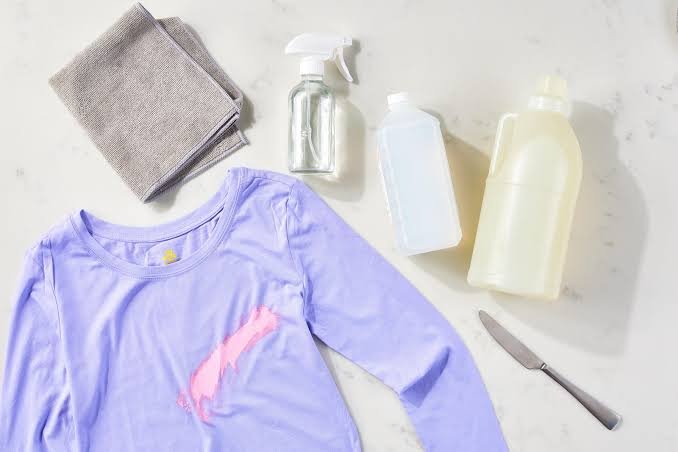
Acrylic paint on your clothes does not necessarily mean the garment is ruined. If the paint is still wet, you often have a good chance of getting most or all of it out. Once it dries, removal becomes harder because the paint forms a firm film around the fabric fibres.
The safest way to remove acrylic paint from clothes depends on two things: whether the paint is wet or dry, and what fabric you are dealing with.
A cotton T-shirt used during an art project can usually tolerate more cleaning than a delicate lawn shirt, embroidered kurta, wool garment, or fabric with an unstable dye. Before reaching for a strong cleaner, check the care label and start with the least aggressive method.
What Should You Do Immediately After Getting Acrylic Paint on Clothes?
If you notice the spill while the paint is still wet, deal with it before continuing your painting session.
Start by lifting away as much excess paint as possible with a spoon, plastic card, or another blunt edge. Do not press the paint further into the fabric.
Next, turn the garment inside out and rinse the stained area from the back with cool running water. Flushing from behind helps push the paint back out through the fibres rather than driving it deeper into them.
Then work a small amount of liquid laundry detergent or mild dishwashing liquid into the affected area with your fingers or a soft toothbrush.
Rinse and check the stain.
If colour is still coming out, repeat the process before washing the garment.
Most importantly, do not iron, tumble-dry, or otherwise expose the garment to high heat while visible paint remains.
How to Remove Acrylic Paint from Clothes While It Is Still Wet
Fresh acrylic paint is generally much easier to deal with than dried paint.
You will usually need:
- A spoon or plastic card
- Cool water
- Liquid laundry detergent or mild dishwashing liquid
- A clean white cloth
- A soft toothbrush, if necessary
Step 1: Remove Excess Paint
Lift away any thick paint sitting on the surface.
Try not to wipe the stain sideways. A wiping motion can turn one small paint spot into a much larger one.
This matters particularly on loosely woven cotton, school uniforms, casual shalwar kameez fabric, and textured clothing where liquid paint can spread between fibres.
Step 2: Rinse from the Back
Turn the stained section over and let cool water run through the back of the fabric.
Continue until you have removed as much loose colour as possible.
Avoid beginning with very hot water. At this stage, your priority is getting the wet paint out before it dries further.
Step 3: Apply Liquid Detergent
Put a little liquid laundry detergent directly on the affected area.
Work it into the fabric gently with your fingers. For stronger cotton or polyester clothing, you can use a soft toothbrush, but avoid aggressive scrubbing.
Scrubbing too hard can leave a faded or fuzzy patch even if you successfully remove the paint.
Step 4: Rinse and Repeat
Rinse the detergent away and inspect the area while the garment is still wet.
If paint remains, repeat the detergent treatment.
Several gentle treatments are usually safer than one aggressive attempt with a strong solvent.
Step 5: Wash According to the Care Label
Once the visible paint has been removed, wash the garment using the instructions on its care label.
Let it air-dry first and inspect the stained area again before applying heat.
How to Remove Dried Acrylic Paint from Clothes
Dried paint requires more patience.
If you have discovered yesterday’s painting accident on a child’s school shirt or found a hardened spot on the clothes you use for DIY work, do not immediately soak the entire garment in a strong chemical.
Start mechanically.
Gently Scrape Away the Dried Paint
Lay the garment on a flat surface and use a spoon, plastic card, or another blunt edge to loosen the raised layer of paint.
Do not use a sharp blade.
You only want to remove paint sitting above the fibres. If the fabric starts stretching, fraying, or becoming rough, stop scraping.
Test Rubbing Alcohol on a Hidden Area
For washable fabrics that can tolerate it, rubbing alcohol or isopropyl alcohol may help soften remaining dried acrylic.
Never assume it is safe simply because someone online used it successfully on another garment.
Put a small amount on an inside seam or another hidden section first. Check whether the fabric loses colour or changes texture.
If anything looks wrong, stop.
Treat the Paint Gradually
If the test causes no visible problem, place a clean white cloth or towel underneath the stain.
Apply a small quantity of rubbing alcohol to the affected area and allow it to contact the dried paint. As the paint starts loosening, gently lift or blot it away.
Move to a clean part of the cloth underneath as pigment transfers.
You can then rinse the fabric, apply liquid laundry detergent, and wash it according to its care instructions.
Do not expect every old stain to disappear in a single treatment.
Can You Remove Acrylic Paint After It Has Completely Dried?
Sometimes. There is no method that can guarantee complete removal from every fabric.
When acrylic dries, its binder forms a film that can become tightly attached to the fibres. A thick dried blob sitting mainly on the surface may be easier to lift than paint that soaked deeply into a porous fabric before drying.
Your chances may also be lower if the garment has already been washed, ironed, or exposed to heat while the stain was present.
For an everyday cotton painting shirt, repeated careful treatment may be worth trying. For an expensive formal outfit, delicate lawn piece, wool garment, silk fabric, embellished clothing, or something labelled dry-clean only, experimenting with several household solvents may cost more than taking it to a professional cleaner.
How Different Fabrics Should Be Treated
There is no single stain-removal method that is equally safe for every piece of clothing.
Cotton
Cotton is common in Pakistani wardrobes and is often reasonably easy to wash, but paint can settle deep into its absorbent fibres.
Fresh stains should be flushed and treated quickly.
You can usually work detergent into ordinary washable cotton more confidently than you could with a delicate fabric, but excessive scrubbing can still damage the surface.
Polyester and Synthetic Blends
Acrylic paint may sometimes remain closer to the surface of smoother synthetic fibres, which can make mechanical removal easier.
However, solvents can react differently with synthetic materials. Always test rubbing alcohol or any other treatment on a hidden section first.
Lawn and Delicate Cotton
Treat lightweight lawn more gently than a heavy cotton T-shirt.
Avoid hard toothbrush scrubbing because it can affect the weave or leave the treated patch looking different from the surrounding fabric.
If the garment has delicate printing, embroidery, embellishment, or decorative work, take extra care.
Denim
Denim can tolerate somewhat firmer handling than many lightweight fabrics, but its colour can fade.
Test any alcohol-based treatment inside the garment before putting it on the visible stain.
Wool, Silk and Dry-Clean-Only Clothing
These are poor candidates for experimental stain removal.
Remove any loose surface paint gently, but consider taking the garment to a professional cleaner instead of using alcohol, acetone, strong detergent, or repeated soaking.
What Should You Avoid When Removing Acrylic Paint?
A small paint stain can become fabric damage if you attack it too aggressively.
Do Not Rub Fresh Paint Across the Fabric
Remove the excess first.
Hard rubbing can spread wet paint and force it further into the weave.
Do Not Use a Sharp Knife
A sharp edge can cut individual threads or leave a permanently damaged patch.
A spoon or old plastic card is a safer option.
Do Not Start with the Strongest Chemical You Can Find
Paint thinner and other aggressive solvents are not general laundry products. They can affect fabric, dyes, finishes, and prints.
Acetone also deserves caution. Even if it can dissolve certain materials, that does not mean it is appropriate for every garment.
Start with water and detergent. Escalate only when the fabric can safely tolerate the treatment.
Do Not Skip the Patch Test
This is particularly important with brightly coloured Pakistani clothing.
If a fabric’s dye reacts badly to your cleaner, you could replace one paint mark with a faded patch.
Test somewhere hidden first.
Do Not Iron the Stained Area
If paint is still present, put the iron away.
The same applies if you normally send freshly washed shalwar kameez or office clothes straight for ironing. Inspect the treated area first.
Does Vinegar Remove Acrylic Paint from Clothes?
Vinegar is frequently suggested as a general household cleaner, but it should not automatically be treated as the best solution for dried acrylic paint.
For a fresh stain, water and liquid detergent are a more sensible starting point.
For dried acrylic on a suitable washable fabric, carefully tested rubbing alcohol is generally more useful for softening the hardened paint film.
Adding several household ingredients together simply because they are available in the kitchen can make stain treatment harder to control.
Can You Use Nail Polish Remover?
Some nail polish removers contain acetone, which is a strong solvent.
Using it on clothing carries a greater risk of affecting dyes or certain fibres, so it should not be your first choice for routine acrylic paint removal.
If you are dealing with expensive, delicate, printed, or unfamiliar material, avoid experimenting with it.
What If the Acrylic Paint Stain Will Not Come Out?
There comes a point when repeated cleaning can damage the garment more than the remaining stain.
Consider stopping if:
- The fabric colour starts transferring onto your cleaning cloth
- The stained area becomes fuzzy or thin
- The material changes texture
- Threads begin to loosen
- The print or surface finish starts coming away
- Several treatments produce no improvement
A small amount of dried paint embedded deep inside the fibres can sometimes remain permanent.
If the clothing has sentimental or financial value, a professional cleaner may be the safer next step.
How Can You Prevent Acrylic Paint Stains?
Prevention is much easier than removing cured paint.
If you paint regularly, keep one old shirt, apron, or pair of clothes specifically for art and craft work.
This is especially useful if children are painting at home for school projects or you work with acrylic paints regularly.
Keep tissues or a clean cloth and water nearby so you can deal with splashes immediately instead of finding them after the session is finished.
If you are new to painting, understanding what is acrylic paint also helps explain why timing matters when cleaning it. It behaves differently while wet and after it has formed a dry film.
Our Paints & Mediums collection can also help you choose painting materials suited to the kind of art or craft project you are planning.
Getting Better Results When Working with Acrylic Paint
Stain prevention often starts with better control while painting.
If you are learning how to use acrylic paint, avoid loading more colour onto the brush than you need. An overloaded brush is more likely to drip onto clothing, tables, and floors.
Brush choice matters too. Learning about the different types of paint brushes and the most useful types of paint brushes for acrylic can give you better control over both broad areas and detailed work.
Planning colours before you start can also reduce unnecessary mixing and handling. An acrylic paint color mixing chart is useful when you want to understand which colours to combine instead of repeatedly testing mixtures while you work.
The same preparation helps with other craft activities. Whether you are learning how to use glue gun tools safely or experimenting with air dry clay art, protecting your work surface and wearing suitable clothes makes cleanup far easier.
Final Thoughts
If you need to know how to remove acrylic paint from clothes, first check whether the paint is wet or dry.
For wet paint, remove the excess, rinse from the back with cool water, treat with liquid detergent, and wash according to the care label. For dried paint, gently scrape away the surface layer first and consider a carefully patch-tested rubbing alcohol treatment on suitable washable fabric.
Whatever method you use, treat the fabric more carefully than the stain. Repeated harsh scrubbing or strong solvents can turn a removable paint mark into permanent fabric damage.
And the next time you sit down with acrylics, keep an apron, old shirt, and cleaning cloth nearby. Dealing with one fresh splash takes far less effort than trying to rescue it the following day.
Frequently Asked Questions
Does acrylic paint wash out of clothes?
Fresh acrylic paint can often be removed if you treat it before it dries. Flush out as much paint as possible, apply detergent, rinse, and repeat if necessary.
Dried acrylic is harder to remove and may leave a permanent mark.
What removes dried acrylic paint from fabric?
Start by gently scraping away paint sitting on the surface. On a compatible washable fabric, carefully tested rubbing alcohol may help soften dried acrylic so it can be lifted before washing.
Always test the treatment on a hidden area first.
Can detergent alone remove acrylic paint?
Detergent can work well on fresh paint, particularly when the stain is treated quickly.
Once acrylic has fully dried, detergent alone may not be enough to loosen the hardened film.
Should I use hot or cold water on acrylic paint stains?
For a fresh acrylic spill, cool water is a sensible starting point. Flush the stain from the back and follow the garment’s care instructions when you later wash it.
Do not use heat simply in an attempt to force the stain out.
Can I remove acrylic paint from a coloured shirt?
Often, yes, particularly when the paint is fresh.
The main additional concern is colourfastness. Before using alcohol or another stain treatment, test it on an inside seam and check whether the shirt’s dye transfers.
Will dried acrylic paint always come out?
No.
Older paint that has penetrated the fabric and fully cured may be impossible to remove completely without damaging the fibres. In such cases, reducing the appearance of the stain may be more realistic than restoring the garment perfectly.