
How to Use Spray Paint Properly: Matte vs Glossy Finish Explained

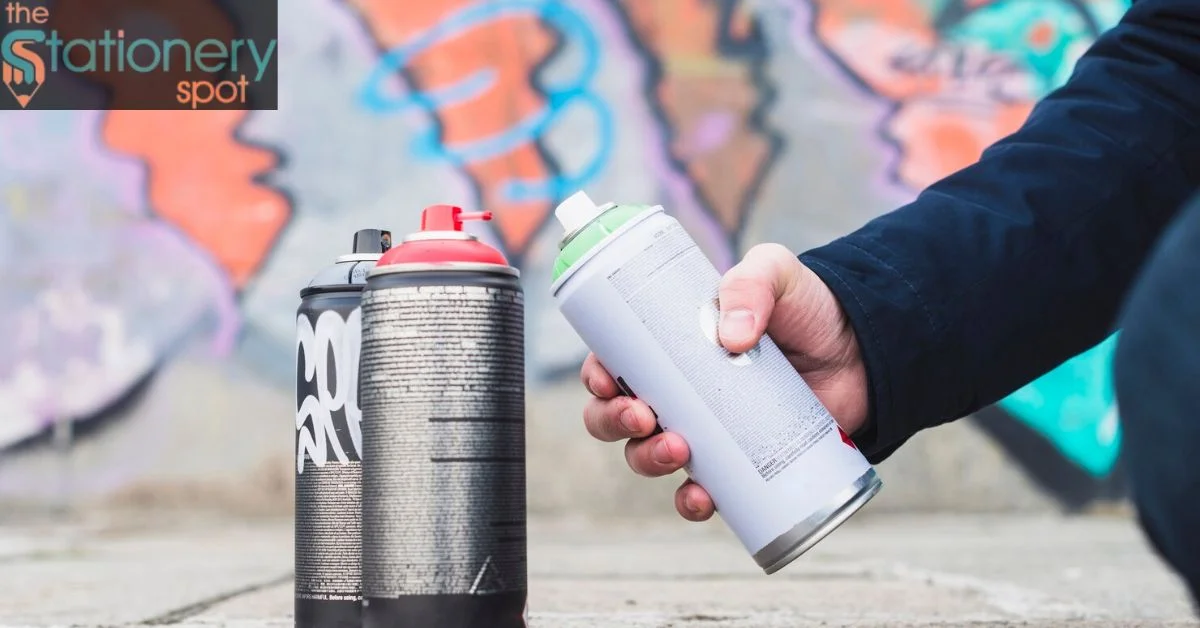
Spray paint can make a simple project look fresh, bold, and creative in very little time. You can use it on craft pieces, décor items, school projects, art surfaces, and small DIY designs. But if you have never used it before, the finish can be confusing. Some cans say matte. Others say glossy. Both can look good, but they create very different results.
If you want to learn how to use spray paint matte vs glossy, the first thing to understand is that the finish affects both the look and feel of your project. Matte gives a softer, flatter effect with less shine. Glossy gives a brighter, smoother, more reflective effect. The right choice depends on the surface, the style you want, and how the item will be used.
For beginners, spray paint is not just about pressing the nozzle. It is about preparing the surface, spraying from the right distance, using light coats, and giving the paint time to dry properly. Once you understand these basics, your results will look cleaner and more polished.
What Is Spray Paint Used For?
Spray paint is used to apply paint quickly and evenly over a surface. It is popular for crafts, art boards, furniture accents, cardboard models, décor pieces, school projects, and upcycling small items.
Unlike brush paint, spray paint covers an area through a fine mist. This can create a smooth finish without visible brush marks. But it also means you need to control where the mist goes. You should always cover the surrounding area, work in a ventilated space, and avoid spraying too close to the surface.
Spray paint can be fun and useful, but beginners should treat it carefully. A rushed spray job can lead to drips, uneven patches, sticky surfaces, or a finish that does not look the way you expected.
Matte vs Glossy Finish: What Is the Difference?
A matte finish has little or no shine. It looks soft, modern, and understated. Matte spray paint is often used when you want a clean, subtle look without reflection. It can work well for craft projects, background surfaces, decorative boards, and items where you want the color to stand out without glare.
A glossy finish is shiny and reflective. It makes colors look brighter and more polished. Glossy spray paint is often used for decorative objects, display items, smooth surfaces, and projects where you want a more finished, eye-catching look.
The finish does not only affect appearance. It can also affect how visible mistakes are. Glossy finishes may show drips, dust, and uneven spraying more clearly because of the shine. Matte finishes may hide small flaws better, but they can sometimes look flat if the surface is not prepared well.
When Should You Use Matte Spray Paint?
Matte spray paint is a good choice when you want a softer and more professional-looking surface. It is especially useful for projects where you do not want light reflecting strongly off the paint.
Use matte spray paint for:
- Home décor crafts
- School models
- Background boards
- Minimal art projects
- Muted color designs
- Wooden craft items
- Decorative storage boxes
- Display boards
Matte finishes are also good when you want your project to look calm, clean, and modern. If your design includes lettering, stickers, paper craft, or layered decoration, matte can help the added details stand out.
When Should You Use Glossy Spray Paint?
Glossy spray paint is better when you want shine, brightness, and a polished look. It can make colors appear richer and more vibrant. It works nicely on decorative pieces that are meant to catch attention.
Use glossy spray paint for:
- Decorative objects
- Bright craft pieces
- Display items
- Smooth plastic or metal projects
- Gift boxes
- Art accents
- Photo props
- Bold color designs
Glossy finishes are more reflective, so they can make a project look more finished. However, they need careful application. If you spray too much in one area, glossy paint can drip or pool.
How to Prepare Your Surface Before Spray Painting
Good spray painting starts before you pick up the can. The surface should be clean, dry, and free from dust, grease, or loose particles. If the surface is dirty, the paint may not stick properly.
Wipe the item with a clean cloth. If needed, lightly sand rough surfaces so the paint has a better grip. For very smooth items, sanding can help reduce slipperiness. If you are painting something important, test the spray paint on a small area first.
Surface choice matters too. If you have already read about canvas board vs drawing board, you will know that a canvas board is an actual painting surface, while a drawing board is usually a support for paper.
For spray paint projects, canvas boards or craft boards are often better than drawing boards unless the board is only being used to hold the project steady.
How to Use Spray Paint Properly
To use spray paint properly, start by shaking the can well. Most spray paints need to be shaken for at least a minute so the paint mixes evenly inside the can. If you skip this step, the color or finish may look patchy.
Hold the can around 8 to 12 inches away from the surface. Spray in light, even passes, moving your hand from side to side. Do not hold the spray in one spot. That is one of the fastest ways to create drips.
Apply thin coats instead of one heavy coat. Let each coat dry according to the instructions on the can before adding another. Thin layers look smoother, dry better, and reduce the risk of sticky paint.
Common Spray Paint Mistakes Beginners Make
Beginners often spray too close to the surface. This creates wet patches, drips, and uneven texture. Another common mistake is using too much paint at once. Spray paint works best when built up in light layers.
Some beginners also forget to protect the area around the project. Spray paint mist can travel farther than expected, so always use newspaper, cardboard, plastic sheet, or a drop cloth under and around the item.
Another mistake is touching the surface too soon. Even when spray paint feels dry on top, it may still be soft underneath. Give it proper time to cure before handling, decorating, or packing the item.
Matte vs Glossy for Art Projects
For art projects, matte and glossy finishes create different moods. Matte works well for calm, soft, or vintage-inspired art. Glossy works well for bright, bold, and modern projects.
If you are using spray paint as a background, matte is usually easier because it reduces glare. If you are using spray paint as the final decorative finish, glossy can make the project stand out more.
Beginners who are still exploring acrylic paint vs watercolor beginners may find spray paint to be a separate but useful tool. Acrylic and watercolor teach brush control and layering, while spray paint teaches distance, coverage, and surface preparation.
Can You Use Spray Paint With Paper Crafts?
You can use spray paint with some paper crafts, but you need to be careful. Thin paper can curl, wrinkle, or tear when sprayed heavily. Thicker craft paper, cardboard, and mounted surfaces usually work better.
Spray paint can also be used lightly on backgrounds for scrapbooks, cards, and décor pieces. If you enjoy learning what is washi tape craft projects, spray-painted backgrounds can pair nicely with washi tape borders, journal designs, handmade tags, and creative gift wrapping.
Let the spray paint dry fully before adding tape, stickers, or pen details. If the surface is still soft, decorations may not stick properly.
Spray Paint for School and Craft Projects
Students often use spray paint for models, posters, display boards, and creative assignments. It can make a project look neat, but it should be used under adult supervision, especially for younger students.
Basic school stationery still matters when preparing projects. A geometry box checklist students pakistan may include a ruler, compass, divider, protractor, pencil, eraser, and sharpener, which can help students measure, mark, and plan before painting or decorating.
For younger children, the best pencil box for kids pakistan is one that keeps daily items organized, secure, and easy to carry, especially when school bags already hold notebooks, art papers, and project supplies.
Organizing Your Spray Paint and Art Supplies
Spray painting becomes much easier when your workspace is organized. Keep your paint, masking tape, scissors, pencils, brushes, paper, and cleaning cloths in one area before you begin. This helps you avoid touching wet paint while searching for supplies.
A simple desk organizer productivity guide can help you set up separate spaces for writing tools, art tools, craft tapes, and small accessories. A neat desk makes creative work feel easier and less stressful.
You should also keep old newspapers, cardboard sheets, or scrap paper nearby. These protect your table and help you test the spray before applying it to the final project.
Spray Paint and Classroom Displays
Spray paint can be useful for classroom displays, project boards, stage props, and art assignments, but it should be handled carefully. Teachers and older students may use it for controlled craft projects, while younger children should stick to safer materials unless supervised.
The discussion around whiteboard vs blackboard classroom often focuses on visibility, cleanliness, and teaching style. Spray-painted display boards work in a similar way because the finish affects how easily students can see text, diagrams, and decoration. Matte backgrounds usually reduce glare, while glossy backgrounds may look brighter but reflect light.
Adding Details After Spray Paint Dries
Once the spray paint is fully dry, you can add details with pens, markers, stickers, labels, or decorative tape. This is where choosing the right writing tool matters.
The choice of ballpoint pen vs gel pen vs fountain pen depends on the surface and the style you want. Ballpoint pens are practical for notes, gel pens give darker and smoother lines, and fountain pens are better for paper-based writing or journaling rather than painted surfaces.
For spray-painted items, test any pen or marker on a corner first. Some inks may not show clearly or may smudge on glossy finishes.
Matte or Glossy for Gift Projects?
Spray paint can make handmade gifts feel more personal. A small painted box, decorated frame, craft board, or handmade card can become a thoughtful gift with the right finish.
If you are looking for stationery gift ideas birthday pakistan, you can pair spray-painted craft items with notebooks, pens, washi tapes, stickers, pencil cases, and desk accessories. Matte finishes feel soft and stylish, while glossy finishes look bright and festive.
For gifts, think about the person’s style. If they like minimal designs, choose matte. If they like bold and colorful items, glossy may be better.
Safety Tips for Beginners
Spray paint should always be used carefully. Work outdoors or in a well-ventilated area. Avoid spraying near flames, food, pets, or small children. Wear a mask if possible, and protect your hands and clothing.
Do not spray directly into the wind. The paint mist can blow back onto your clothes or face. Place the project on newspaper or cardboard and keep the can moving while spraying.
After you finish, let the item dry in a safe place where dust, hair, or fingerprints will not ruin the surface.
How Many Coats Do You Need?
Most spray paint projects look better with two or three light coats rather than one thick coat. The first coat may look uneven, and that is normal. Do not panic or try to cover everything at once.
Let the first coat dry, then add another light coat. Keep building the color slowly until the surface looks even.
Matte paint may look finished faster because it does not reflect light as much. Glossy paint may need extra care because uneven layers are more visible.
How Long Should Spray Paint Dry?
Drying time depends on the paint, surface, weather, and thickness of the coats. Always read the instructions on the can. Some spray paints feel dry in 15 to 30 minutes, but they may need several hours or longer to cure properly.
If you plan to add tape, stickers, pen work, or extra decoration, wait until the paint is fully dry. Rushing this step can leave marks or peel the paint.
Matte vs Glossy: Which Should Beginners Choose?
If you are new to spray paint, matte is often easier because it hides minor mistakes better and creates a clean finish without strong reflection. It is a safe choice for school projects, craft boards, and soft decorative designs.
Glossy is better if you want shine, boldness, and a polished look. It can make colors pop, but it requires more careful spraying because drips and dust are easier to notice.
For most beginners, the best approach is to test both finishes on scrap material before using them on the final project.
Explore The Stationery Spot today to find creative stationery, art supplies, craft tools, and gift-friendly essentials that help you paint, decorate, organize, and bring your ideas to life.
Final Thoughts
Learning how to use spray paint matte vs glossy starts with understanding the finish. Matte gives a soft, low-shine result. Glossy gives a bright, reflective, polished look. Both can work beautifully when used on the right surface with proper preparation.
Beginners should focus on light coats, steady hand movement, good ventilation, and enough drying time.Once you learn these basics, spray paint becomes a useful tool for art projects, craft décor, school assignments, and handmade gifts.
Start with small projects, test your finish first, and build your confidence one layer at a time.
Frequently Asked Questions
What is the difference between matte and glossy spray paint?
Matte spray paint has little or no shine, while glossy spray paint creates a shiny and reflective finish.
Which spray paint finish is better for beginners?
Matte is usually easier for beginners because it hides small mistakes better. Glossy looks polished but shows drips and uneven spraying more clearly.
How far should I hold spray paint from the surface?
Hold the can around 8 to 12 inches away from the surface and spray in light, even passes.
Can I use spray paint on paper?
You can use spray paint on thick paper, cardboard, or craft board, but thin paper may wrinkle or curl.
How many coats of spray paint should I use?
Two or three light coats usually work better than one heavy coat. Let each coat dry before applying the next.