
Acrylic Paint vs Watercolor: Which One Should Beginners Start With?

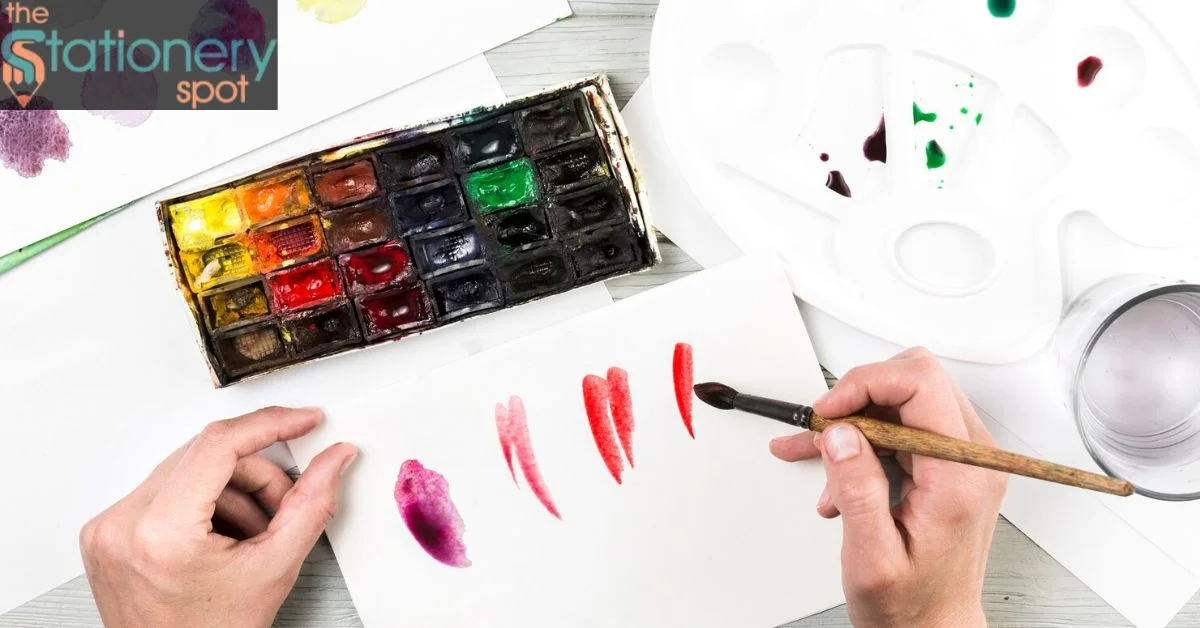
Starting with painting can feel exciting until you stand in front of supplies and wonder what to buy first. Acrylic paint looks bold and forgiving. Watercolor looks soft, clean, and simple. Both are beginner-friendly in their own way, but they teach very different habits.
If you are comparing acrylic paint vs watercolor beginners often need to think about control, cost, cleanup, surface, and the kind of artwork they want to create. The right choice is not about which paint is “better.” It is about which one feels easier for your first few projects and gives you enough confidence to keep practicing.
The Stationery Spot offers cute stationery, diaries, pens, organizers, gifts, and art-related supplies in Pakistan, which makes it a useful place for students, hobby artists, and creative beginners to explore everyday stationery and craft items.
Why Beginners Often Compare Acrylic Paint and Watercolor
Acrylic and watercolor are both popular because they do not require complicated studio setups. You can start with a small paint set, a few brushes, and a suitable surface. Still, the experience is very different.
Acrylic paint is thicker, brighter, and more flexible. You can use it for bold shapes, layers, canvas work, decorative crafts, and textured paintings. It dries quickly and can cover mistakes easily, which is helpful when you are still learning.
Watercolor is lighter, softer, and more transparent. It is great for florals, landscapes, journaling, greeting cards, and soft illustrations. It teaches patience because mistakes are harder to cover, but it also helps beginners understand water control, blending, and gentle color layering.
What Makes Acrylic Paint Easier for Beginners?
Acrylic paint is often easier for beginners because it is forgiving. If you make a mistake, you can let the paint dry and paint over it. This gives beginners more freedom to experiment without feeling like one wrong brushstroke has ruined the whole piece.
Acrylic also works well on many surfaces. You can use it on canvas, wood, cardboard, paper, and craft projects. The colors usually appear strong and solid, so the result feels satisfying even when the technique is simple.
Acrylic is a good starting choice if you like:
- Simple landscapes
- Abstract art
- Canvas painting
- Decorative crafts
- Bold colors
- Layered artwork
- Painting over mistakes
It is also better if you enjoy a more hands-on, flexible painting style.
What Makes Watercolor Better for Some Beginners?
Watercolor is wonderful for beginners who enjoy calm, soft, and delicate artwork. It does not need much space, and the cleanup is usually easy. A watercolor set, brush, paper, and water cup are enough to begin.
Watercolor teaches you to slow down. Since the paint is transparent, each layer affects the final result. This can be challenging, but it also makes watercolor feel gentle and relaxing.
Watercolor is a good starting choice if you like:
- Soft florals
- Nature sketches
- Journaling
- Greeting cards
- Loose illustrations
- Light color washes
- Minimal supplies
However, watercolor needs proper paper. Thin paper can wrinkle or tear when too much water is added, so beginners should choose paper that can handle wet media.
Acrylic Paint vs Watercolor Beginners Should Choose Based on Their Style
The easiest way to decide is to think about your personality as a learner. If you want quick results, bold color, and the freedom to fix mistakes, acrylic paint may feel better. If you enjoy soft effects, slow layering, and a calmer process, watercolor may be more enjoyable.
For many beginners, acrylic feels less stressful because it gives more control. Watercolor feels more peaceful, but it can be unpredictable. The water moves the pigment, and sometimes the final result looks different from what you planned.
That unpredictability is part of watercolor’s beauty, but it may frustrate beginners who want neat results right away.
Cost and Supplies: Which One Is More Budget-friendly?
Both acrylic and watercolor can be affordable for beginners. You do not need a professional set at the start. A small student-grade set is enough to practice basic techniques.
For acrylic painting, you may need:
- Acrylic paint set
- Brushes
- Palette
- Canvas board or thick paper
- Water cup
- Cloth or tissue
For watercolor painting, you may need:
- Watercolor set
- Watercolor paper
- Brushes
- Palette or mixing tray
- Water cup
- Tissue
Acrylic may feel slightly more expensive if you use canvas regularly, but it also works on many craft surfaces. Watercolor can stay affordable if you use student-grade paper and paint.
Surface Matters More Than Beginners Think
The surface you use can change how your painting turns out. Acrylic paint works well on canvas boards, thick paper, wood, and craft surfaces. Watercolor works best on watercolor paper because it needs a surface that can hold water without breaking down.
This is also where canvas board vs drawing board becomes relevant for beginners. A canvas board is a painting surface, often used with acrylics, while a drawing board is usually a firm support used to hold paper steady while sketching, drawing, or painting.
If you are starting with acrylic, a canvas board can help you feel like you are making a finished artwork. If you are starting with watercolor, tape your watercolor paper onto a flat board so it stays steadier while you paint.
Drying Time and Mistake Control
Acrylic dries quickly. This is helpful when you want to add layers, cover mistakes, or finish a project in one sitting. The downside is that it can dry too fast on the palette, so beginners need to mix small amounts at a time.
Watercolor also dries fairly quickly, but the drying process affects the final look. If the paper is too wet, colors may spread more than expected. If the paper is too dry, blending becomes harder. This makes watercolor more sensitive to timing.
For beginners who get nervous about mistakes, acrylic is usually easier. For beginners who enjoy slow practice and gentle effects, watercolor can be more rewarding.
Color, Texture, and Final Look
Acrylic paint gives strong, opaque color. It can look smooth or textured depending on how you apply it. You can create thick brushstrokes, flat blocks of color, or layered effects.
Watercolor gives transparent color. It is better for soft washes, gentle gradients, and light details. It does not usually create thick texture unless you use special techniques.
Think about the artwork you admire. If you like bold wall art, acrylic may suit you. If you like soft sketchbook pages, handmade cards, and delicate illustrations, watercolor may feel more natural.
Cleanup and Storage
Watercolor is easier to clean because it only needs water. You can let the paint dry in the palette and reuse it later. This makes watercolor convenient for students and hobby artists who paint in short sessions.
Acrylic also cleans with water while wet, but once it dries, it becomes permanent. Brushes should be washed quickly after use. If acrylic dries inside the brush, it can damage the bristles.
So if you are forgetful with cleanup, watercolor may be more forgiving. If you are careful with your tools, acrylic is still easy to manage.
Best Beginner Projects for Acrylic Paint
Acrylic paint is great for projects that feel fun and complete without needing advanced skills.
Try simple projects like:
- Sunset painting
- Abstract shapes
- Mini canvas art
- Decorative name boards
- Painted bookmarks
- Floral canvas
- Room décor pieces
Acrylic is also useful for craft experiments. Beginners who later want to learn how to use spray paint matte vs glossy can understand finish differences more easily after practicing with acrylic textures and surfaces.
Best Beginner Projects for Watercolor
Watercolor is perfect for smaller, softer projects. You can use it in journals, handmade cards, and simple illustrations.
Try projects like:
- Loose flowers
- Leaves and branches
- Sky washes
- Simple landscapes
- Greeting cards
- Watercolor bookmarks
- Soft quote backgrounds
Watercolor also pairs beautifully with pens, markers, and decorative tapes. For example, once you learn what is washi tape craft projects become easier to decorate because washi tape can add borders, patterns, and playful details to handmade art.
Which Paint Is Better for Students?
For students, the best choice depends on school requirements and personal interest. Younger students may enjoy acrylic because it gives bold results, but it can be messier. Older students who like neat sketchbooks, art journals, or illustration may enjoy watercolor more.
Students should also keep their basic supplies organized. A simple geometry box checklist students pakistan can include pencils, eraser, sharpener, ruler, compass, divider, protractor, and pens, while art students may also keep brushes, small paint sets, and tape nearby.
For younger children, parents may also look for the best pencil box for kids pakistan so daily school stationery stays organized and easy to carry.
Classroom and Study Setup Also Matters
Art practice becomes easier when your study space is neat and comfortable. A cluttered desk can make painting feel harder because brushes, paper, and colors get mixed up quickly.
A simple desk organizer productivity guide can help beginners keep paints, pens, brushes, sticky notes, scissors, and tapes in separate places. This makes it easier to sit down and start creating without wasting time looking for supplies.
In classrooms, the debate around whiteboard vs blackboard classroom also connects to visibility and learning style. Whiteboards are cleaner and easier for colorful markers, while blackboards still work well for traditional teaching and chalk-based explanation.
Pens, Details, and Finishing Touches
Once your painting is dry, pens can help add outlines, lettering, borders, or small details. This is useful for both acrylic and watercolor projects.
The choice between ballpoint pen vs gel pen vs fountain pen depends on the finish you want. Ballpoint pens are practical for notes, gel pens are smoother and darker for decorative writing, and fountain pens feel more classic for journaling and calligraphy-style details.
For watercolor art, make sure the paint is completely dry before using a pen. For acrylic, choose pens or markers that can write over painted surfaces.
Gift and Craft Possibilities
Painting is not only for practice. It can also turn into handmade gifts. A small acrylic canvas, watercolor card, painted bookmark, or decorated journal can feel more personal than a store-bought item.
If you are planning stationery gift ideas birthday pakistan, you can pair paints with diaries, pens, stickers, washi tape, pencil pouches, or desk accessories. This makes a thoughtful gift for students, artists, journal lovers, and anyone who enjoys creative supplies.
So, Which One Should Beginners Start With?
For most absolute beginners, acrylic paint is the easier starting point because it is bold, flexible, and forgiving. You can paint over mistakes, try different surfaces, and finish projects quickly.
Watercolor is better if you enjoy soft effects, quiet practice, journaling, and delicate artwork. It may take more patience, but it teaches useful skills like water control, layering, and gentle blending.
A simple answer would be this: start with acrylic if you want confidence first. Start with watercolor if you want calm practice and do not mind learning slowly.
Pro Tip: If you are comparing acrylic paint vs watercolor beginners should start with the medium that matches their patience, style, and project goals. Acrylic is easier for bold, forgiving practice, while watercolor is better for soft, delicate, and relaxing artwork.
Explore The Stationery Spot today to find beginner-friendly art supplies, stationery essentials, creative tools, and thoughtful gifts that make painting, studying, and crafting easier to enjoy.
Final Thoughts
Choosing between acrylic and watercolor does not have to feel complicated. Both can help you build creativity, improve hand control, and enjoy art without needing advanced training.
Acrylic paint is more forgiving, brighter, and easier to layer. Watercolor is softer, cleaner, and better for gentle effects. Beginners can start with one and try the other later as their confidence grows.
The most important thing is to begin with simple supplies, practice small projects, and enjoy the process. Your first painting does not need to be perfect. It only needs to help you take the next step.
Frequently Asked Questions
Is acrylic paint easier than watercolor for beginners?
Yes, acrylic paint is usually easier for beginners because it gives bold color, dries quickly, and allows you to paint over mistakes.
Is watercolor cheaper than acrylic?
Watercolor can be cheaper if you use a small student-grade set and basic watercolor paper. Acrylic can also be affordable, but canvas boards may add to the cost.
Can beginners use acrylic paint on paper?
Yes, beginners can use acrylic on thick paper, mixed media paper, or acrylic paper. Very thin paper may bend or tear.
Why is watercolor harder to control?
Watercolor is harder to control because water affects how the pigment moves, blends, and dries on the paper.
Should kids start with acrylic or watercolor?
Kids can use either, but watercolor is usually cleaner for casual use, while acrylic gives brighter results for craft projects. Adult supervision is helpful for younger children.